
[ Decision Guide ]
Gut Renovation vs. Cosmetic Remodel: Which Does Your Rowhome Actually Need?
The short version: if your house's problems are things you can see — dated finishes, tired kitchen, ugly bathroom — a cosmetic remodel is honest money well spent. If the problems are things you can't see — old wiring, failing plumbing, bouncy floors, damp walls — cosmetic work is expensive wallpaper over an unpaid bill. The skill is telling which house you have before you spend.
Signs a Cosmetic Remodel Is Right
- The systems have been updated in the last few decades — a modern electrical panel with real circuits, copper or PEX supply lines, a heater that isn't older than you.
- Floors feel solid, doors close square, and there are no mystery slopes getting worse.
- The layout works — you want the kitchen nicer, not somewhere else.
- You plan to enjoy the update now and possibly go deeper years from now.
In that house, new kitchens and bathrooms, flooring, and paint deliver most of the daily-life improvement for a fraction of the gut price. There's no prize for demolition you didn't need.
Signs You're in Gut Territory
- Knob-and-tube wiring, a fuse box, or extension cords doing a circuit's job.
- Galvanized supply pipes (weak pressure, rusty water) or a cast iron stack past its life.
- Floors that bounce or slope progressively — structure asking for help.
- The layout fights you: kitchen in the wrong place, one bath where two should fit.
- You're already planning to replace "most of it" — at which point opening everything once beats renovating twice.
Three or more of those, and the honest answer is usually a full gut renovation: one permit cycle, one mobilization, everything behind the walls new at once.
Cost and Time, Compared Honestly
| Cosmetic remodel | Gut renovation | |
|---|---|---|
| Typical cost | $25,000–$80,000 | $175,000–$350,000 |
| Timeline | Weeks per room | 4–6 months whole-home |
| Living there during work | Usually yes | Usually no |
| What you're buying | How the house looks and feels | Fifty more years of house |
The Mistakes We Get Called to Fix
The flipped-over-problems house. Beautiful quartz counters over 60-amp service and a dying stack. Someone paid twice: once for the pretty finishes, once to tear them open. If you're buying, walk the house with a builder before you close, not after.
The one-room-at-a-time gut. Gutting the kitchen this year, the bath in two years, the bedrooms after that — each round paying its own demolition, permits, dust, and mobilization. If the whole house needs it, sequence it as one project even if it's phased on paper. Our rowhome renovation guide covers what that one big project actually involves.
The cosmetic budget with gut-level dreams. Moving walls "while we're at it" turns a refresh into an unplanned renovation priced as change orders — the most expensive way to buy construction. Decide which project you're doing before demo day, with real numbers for both.
How to Decide With Real Information
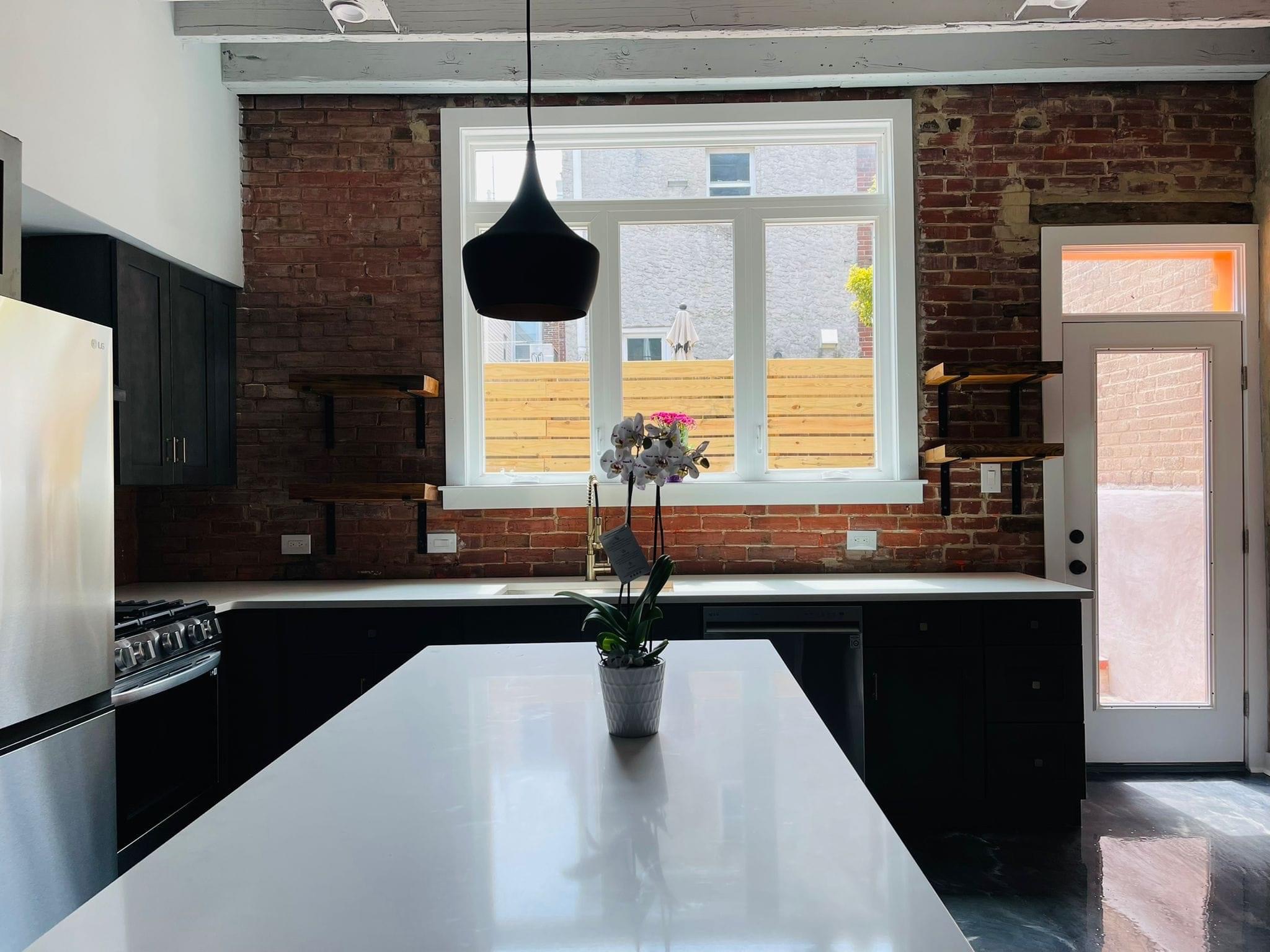
Get a builder to look before you commit to either path. A free walkthrough tells you what the systems and structure actually are — then you're choosing between two priced options instead of two guesses. That's the estimate we give: itemized both ways when the call is genuinely close, like it was on rehabs such as our signature rowhome rehab in Kensington, where keeping the brick and gutting the rest was the right split.
Not sure which house you have? Our full builds and remodeling page explains the gut side in depth — and the walkthrough is free either way.